
Table of Contents
There’s something special about a slice of cake served with a steaming cup of chai. It makes an ordinary afternoon feel a little more comforting. And when that cake is rich, buttery and filled with the goodness of mawa, the experience gets even better.
Mawa cake is one of those timeless treats that never goes out of style. With its soft texture, delicate sweetness and familiar Indian flavours, it has been a bakery favourite for generations. Whether enjoyed during an evening tea break or shared with family, this classic cake brings a little nostalgia to every bite.
But what makes mawa cake so special? Let’s explore its origins, ingredients and the reasons it still holds a special place in our hearts.
What Is Mawa Cake?
Mawa cake is a traditional Indian bakery-style cake made using mawa, also known as khoya. Mawa is prepared by slowly heating milk until most of its moisture evaporates, leaving behind rich, concentrated milk solids.
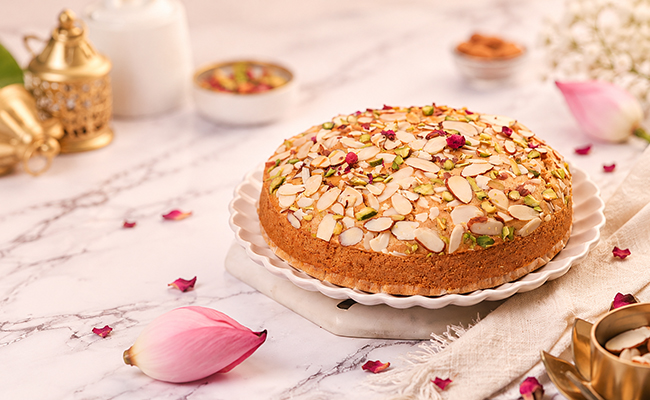
When added to cake batter, mawa lends a distinct milky flavour, a moist yet slightly dense texture and a richness that sets it apart from regular sponge cakes. Unlike heavily frosted cakes, mawa cake keeps things simple. Its golden crust, soft crumb and subtle hints of cardamom make it a perfect companion for a cup of tea.
The Heritage Behind Traditional Mawa Cake
The story of mawa cake is closely linked to Mumbai’s iconic Irani cafés and Parsi bakeries. These establishments became popular for their comforting baked treats, warm hospitality and freshly brewed chai.
Among their many specialities, mawa cake earned a loyal following. Its combination of European-style baking and traditional Indian ingredients created a flavour that felt both familiar and unique.
Even today, mawa cakes remind many people of old-fashioned bakeries, childhood tea breaks and family gatherings. While baking styles have evolved, the charm of this classic remains unchanged.
Why Mawa Cake Rules Our Tea-Time
A Perfect Match for Chai
Some combinations are meant to be, and mawa cake with chai is one of them. The richness of the cake balances beautifully with the warmth and slight bitterness of tea. Every sip and bite complement each other, making even a quick tea break feel special.
Rich Flavour Without Heavy Frosting
Not every cake needs layers of cream or elaborate decoration. Mawa cake gets its flavour from simple ingredients like milk solids, butter, cardamom and sometimes nuts. It offers just the right amount of sweetness without being overwhelming.
A Taste of Childhood Memories
For many, mawa cake brings back memories of local bakery visits, Sunday afternoons and sharing treats with loved ones. Its familiar aroma and traditional flavour make it more than just a dessert.
Perfect for Everyday Indulgence
You don’t need a birthday or anniversary to enjoy a delicious slice of cake. Mawa cake fits naturally into everyday moments, whether you’re taking a break from work, hosting friends or enjoying a quiet evening at home.
Eggless Mawa Cake: The Same Classic Goodness
Love traditional bakery cakes but prefer desserts without eggs? Eggless mawa cake is a delicious alternative that doesn’t compromise on the familiar taste of this classic treat.
By using ingredients such as yoghurt, milk and suitable raising agents, bakers can create a soft, flavourful cake without adding eggs. The richness of mawa remains the star, giving the cake its signature milky taste and satisfying texture. Eggless varieties also make it easier to share this traditional favourite with friends and family who avoid eggs.
What Makes Mawa Cakes Different from Regular Cakes?
While regular sponge cakes are often light and airy, mawa cakes have a richer, slightly denser crumb. This comes from the addition of concentrated milk solids, which bring extra flavour and texture.
Another difference is their simplicity. Instead of depending on frosting, fillings or decorative toppings, traditional mawa cakes let their ingredients shine.
Many versions also feature cardamom, almonds, pistachios or saffron, adding an unmistakably Indian touch to every slice.
The result? A cake that feels indulgent without being overly sweet or elaborate.
How to Enjoy Mawa Cake Beyond Tea-Time
Although mawa cake is best known as a tea-time favourite, you can enjoy it in plenty of other ways.
With morning coffee Pair a slice with your favourite brew for a comforting start to the day.
As an evening snack Enjoy it slightly warm when those unexpected sweet cravings strike.
At family gatherings Serve slices alongside tea and other snacks for a simple, crowd-pleasing treat.
As a thoughtful gift Surprise parents, grandparents or anyone who appreciates classic bakery flavours.
With ice cream Add a scoop of vanilla ice cream for a delightful contrast of warm and cold flavours.
A Timeless Cake Worth Coming Back To
Food trends may come and go, but some favourites never lose their appeal. Mawa cake is one of them. Its rich milky flavour, comforting texture and connection to India’s old bakery culture make it a treat worth celebrating.
From the charming Irani cafés of Mumbai to modern homes across India, this humble cake has travelled far without losing its character.
So, the next time you brew your evening chai, skip the usual biscuits and treat yourself to a slice of mawa cake. Sometimes, the simplest pleasures really are the sweetest.