
Table of Contents
Ever looked at a cake and thought, how did they get that shade so perfect? That dreamy pastel, bold red or Pinterest-worthy ombré is usually the work of one small but mighty ingredient: food colour. But choosing and using the right food colour for cake takes more than simply adding a few drops and hoping for the best. Different types behave differently in batter, frosting and decorations, and the tiniest quantity can completely change the final look. So, before you start mixing colours like you’re in your baker era, get familiar with the basics. This guide covers the types, techniques and useful tips that can help you colour your cakes with far more confidence.
Understanding Food Colouring

Food dyes or food colouring agents, are substances used to impart colour to food or drink. They come in various forms, including liquid, gel, powder, and paste, and are available in a wide range of shades. Food colouring is typically categorised as either natural or synthetic, with natural options derived from plant, animal, or mineral sources, and synthetic options created in a laboratory.
These vibrant additives are carefully regulated to ensure safety and quality, making them essential tools for bakers, pastry chefs, and home cooks alike. Natural food dye, such as those extracted from fruits, vegetables, and spices, offer a more wholesome alternative to their synthetic counterparts, appealing to health-conscious consumers seeking clean-label options. Conversely, synthetic food colouring agents provide intense hues and stability, making them preferred choices for achieving vivid and long-lasting results in commercial food production.
Choosing the Right Colours

When selecting these colours for cake decoration, it’s essential to consider factors such as the desired shade, the type of cake being decorated, and any dietary restrictions or preferences. Liquid and gel food dyes are ideal for tinting cake batter, frosting, and fondant, while powder and paste colours are better suited for achieving intense hues and intricate details.
Moreover, the versatility of food colouring extends beyond traditional cake decorating techniques, with innovative applications ranging from airbrushing and stencilling to creating edible watercolour paintings and vibrant drip effects. With a bit of experimentation and creativity, these colours can transform ordinary cakes into edible masterpieces that captivate the eye and delight the palate, making every slice a memorable experience.
Tips
- Gradually add food colour to cake batter or frosting to achieve the desired shade, as colours may intensify over time.
- Use a toothpick or small spatula to mix food colour evenly into frosting or fondant, ensuring consistent colour distribution.
- Experiment with colour combinations to create custom shades and unique effects, such as ombre, marbling, or rainbow patterns.
- For precise detailing, use food-safe brushes or fine-tip piping bags to apply colour directly onto cakes or decorations.
- Consider the flavour profile of food dyes when choosing shades, opting for complementary colours that enhance the overall taste experience.
Stunning Cakes for Birthday

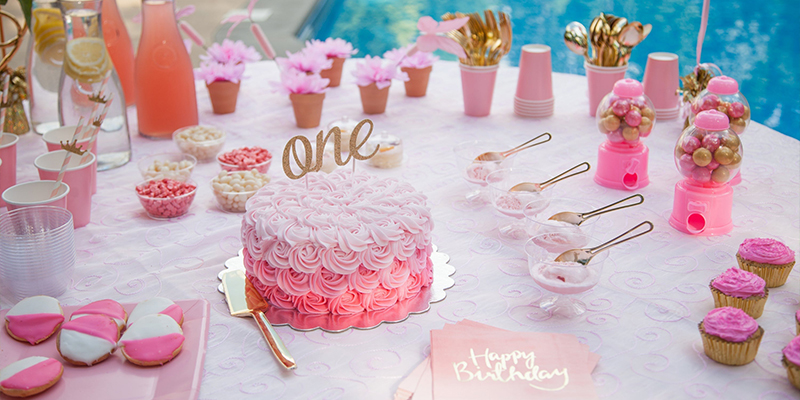
Birthday cakes are a hallmark of celebrations, and using food dyes creatively can elevate them to show-stopping centrepieces. Whether it’s a classic vanilla cake with vibrant buttercream frosting or a themed cake adorned with intricate decorations, the right colours can bring your vision to life. Experiment with playful hues and eye-catching designs to tailor cakes to the recipient’s personality and preferences.
Additionally, incorporating personal touches such as edible images, fondant accents, or hand-painted details can add a unique flair to cakes, making them truly one-of-a-kind creations that leave a lasting impression. Don’t be afraid to think outside the box and explore unconventional colour combinations or innovative techniques to make cakes for birthdays, that are as visually stunning as they are delicious. With a dash of creativity and a splash of colour, every birthday cake can become a memorable masterpiece that brings joy to all who indulge.
Jaw-Dropping Cakes

Designer cakes are the epitome of luxury and creativity, often featuring intricate designs, sculpted elements, and elaborate embellishments. Food dyes play a crucial role in bringing these intricate designs to fruition, from hand-painted details to sculpted figurines and edible prints. Whether you’re crafting a wedding cake, a baby shower cake, or a corporate event cake, the versatility of such colours allows you to unleash your imagination and create edible works of art that leave a lasting impression.
Cake decorating gets a lot more fun once colour stops feeling like guesswork. Pick the right food colour for cake, start small, mix patiently and give yourself room to experiment. Some shades might surprise you, and honestly, that is part of the fun. From soft pastels to full main-character colours, a little practice can turn even a simple bake into something people notice before the first slice is cut.