
Table of Contents
What do boxed cake mixes, your favourite bakery treats, and grandma’s best-loved recipes all have in common? They all share one ingredient that makes them irresistibly delicious, and you probably don’t even expect it.
It’s not just oil for moisture or coffee for richness. Although both are commonly used. It’s not even mayonnaise, which brings its own kind of magic to cakes. There’s one secret ingredient in cakes that stands out, often used in the background, but delivers incredible results.
Stick with us to find out why you should consider it for your next baking adventure.
Reveal the Secret Ingredient
So, what’s the big secret?
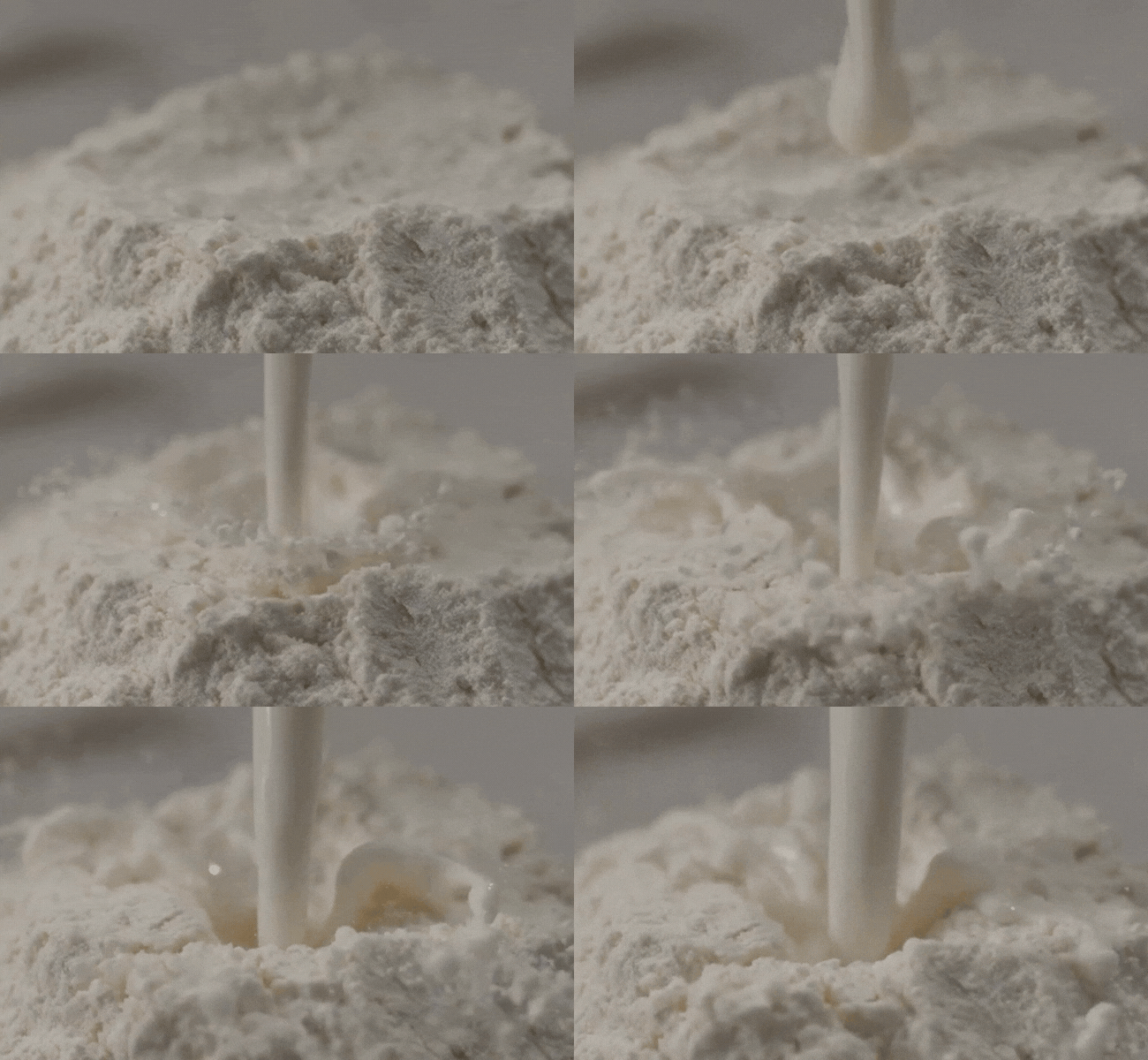
It’s buttermilk.
A simple, everyday ingredient that often surprises people when they learn about its vital role in cakes.
The truth is, buttermilk isn’t just for pancakes or fried chicken; it works wonders in cakes too. Many bakers might tell you it’s the magic that turns a dry, crumbly cake into something tender and moist.
A common myth is that buttermilk only works in “traditional” cakes, but that’s far from the truth. It’s perfect for modern cakes too, offering texture and moisture like no other ingredient.
What This Ingredient Actually Does in Cakes
Now, let’s break down why buttermilk is so powerful in the cake-making process. Here’s what it brings to the table:
-
Texture: Buttermilk helps create a delicate, tender crumb that melts in your mouth. It breaks down the gluten in the flour, giving your cake a light and airy texture that’s hard to achieve with just water.
-
Moisture: This is one of its most notable benefits. Buttermilk helps prevent cakes from drying out too quickly, keeping them soft for days. It adds just the right amount of moisture without making the cake greasy.
-
Flavour enhancement: Buttermilk has a tangy flavour that can amplify other ingredients in your cake, especially when paired with sweet components like chocolate or vanilla. It balances out sweetness and adds complexity to the flavour profile.
-
Chemical role: Buttermilk’s acidity reacts with baking soda or baking powder, helping the cake rise and giving it a light texture. It also works as an emulsifier, binding fats and liquids together for a smooth, cohesive batter.
Where You’ll Find It (More Often Than You Think)
You might be surprised to learn where buttermilk is used most often. Here are some places it sneaks in:
-
Boxed cake mixes: Yes, even the most convenient pre-made mixes often call for buttermilk. It’s included to boost texture and flavour, making the cake taste fresher and more homemade.
-
Bakery cakes and cupcakes: Many professional bakeries swear by buttermilk in their recipes, especially for classic cakes like chocolate or vanilla cupcakes. The texture it creates is soft and melt-in-your-mouth, a secret that keeps customers coming back for more.
-
Vintage or “old-fashioned” recipes: Buttermilk is a traditional ingredient in many family recipes passed down through generations. If you look at your grandmother’s cake recipes, chances are buttermilk was one of her key ingredients.
-
Modern food-blog or test-kitchen recipes: Today, food bloggers and recipe developers still use buttermilk, tweaking the quantities to make the most of its moistening properties. They’ve reimagined classic cakes with this ingredient for modern palates.
-
The reason professionals use it consistently is simple: buttermilk delivers consistent results, making cakes tender, moist, and full of flavour. It’s reliable and affordable, which makes it a staple in both commercial kitchens and home bakers’ pantries.
Which Cake Types Benefit Most
Buttermilk isn’t just for any cake; some types of cakes benefit from it more than others. Here’s where it really shines:
-
Chocolate cakes: Buttermilk’s tangy flavour balances the richness of chocolate, ensuring that the cake isn’t too heavy.
-
Red velvet: The classic red velvet cake owes much of its tender texture to buttermilk, giving it that smooth, velvety crumb.
-
Pound cakes: Buttermilk helps pound cakes maintain their moist, dense structure without becoming dry or crumbly.
-
Sheet cakes: With large, thin layers, sheet cakes need moisture to prevent them from turning dry. Buttermilk is a perfect solution.
-
Cupcakes: For light, fluffy cupcakes that stay fresh for days, buttermilk is the go-to ingredient. It ensures a tender, soft texture that holds up well even after being frosted.
How to Use It at Home (Practical Tips)
Now that you’re convinced about the wonders of buttermilk, here’s how you can use it in your own cakes:
-
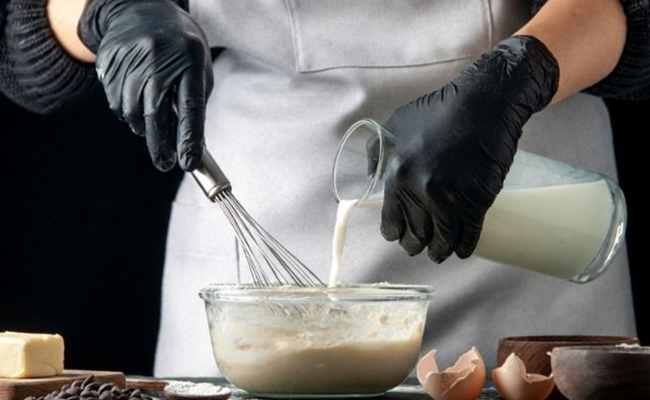
Recommended quantities or substitutions: A typical recipe will call for around 240ml (1 cup) of buttermilk for every 200g of flour. If you don’t have buttermilk, you can make your own by mixing 240ml of milk with 1 tablespoon of lemon juice or vinegar. Let it sit for about 5 minutes, and voilà!
-
When to add it in the mixing process: Add buttermilk along with the wet ingredients like eggs and vanilla. It should be mixed into the batter before adding any dry ingredients to help evenly distribute the moisture.
-
What ingredients it pairs best with: Buttermilk works beautifully with ingredients like butter, vanilla, cocoa powder, and citrus. Its tangy flavour enhances chocolate and balances out sweetness, so it’s perfect for chocolate cakes and red velvet cakes.
While buttermilk is an incredible ingredient, it’s important to note that it’s not suitable for every cake type. Cakes with very delicate or light textures, like angel food cake, don’t benefit from the addition of buttermilk. Also, if you’re making a cake that needs to rise significantly (like a chiffon cake), it may not work as well.
FAQs or Quick Myths Section
Q. Will it change the flavour?
No, buttermilk adds a subtle tang that can actually enhance the flavours of the cake, making it taste more complex and balanced.
Q. Is it healthier or worse?
Buttermilk is lower in fat than cream or heavy milk, making it a healthier option for moisture. However, like all ingredients, moderation is key.
Q. Can I substitute it?
Yes, you can substitute buttermilk with sour cream, yogurt, or even milk with a splash of lemon juice. While these work well, they may slightly change the flavour or texture.
Q. Is it only for certain diets?
Buttermilk is not suitable for vegan diets, but there are plant-based alternatives available, such as almond or soy milk mixed with vinegar or lemon juice.
Final Takeaway
The secret ingredient in cakes that you never saw coming? Buttermilk. It’s the key to creating cakes that are moist, tender, and bursting with flavour.
Whether you’re making a classic chocolate cake or an intricate red velvet creation, this ingredient is the ultimate game-changer. Next time you bake, don’t forget to add buttermilk to your ingredients list. Your cakes will thank you for it.
Give it a try, and let the magic of buttermilk elevate your baking to new heights. Never stop wishing for the perfect cake.