
Table of Contents
If you love desserts that feel indulgent yet light, mousse-based creations deserve your full attention. These cakes have quietly become favourites at celebrations, cafés, and home gatherings because they strike a rare balance – rich without being heavy, elegant without being intimidating. A mousse cake is not just about sweetness; it is about texture, temperature, and the slow pleasure of each spoonful or bite.
At its core, a Mousse Cake is defined by its airy structure. Unlike traditional sponge-heavy cakes, mousse relies on whipped elements to create volume. Cream, chocolate, fruit purées, or custard bases are gently folded with air, giving the dessert its signature cloud-like feel. When set properly, the result is smooth, delicate, and melt-in-the-mouth, making it ideal for people who prefer refined flavours over dense sweetness.
What Makes Mousse Cakes Different from Regular Cakes
The biggest difference lies in texture. Regular cakes focus on baking flour-based batters, while mousse cakes lean more towards chilling and setting. Many versions use thin sponge layers or biscuit bases, but these act as a support rather than the star. The hero is always the mousse itself, which feels cool, silky, and light when eaten.
Another defining factor is temperature. Mousse cakes are usually served chilled, which enhances their flavour and gives them a refreshing quality. This makes them particularly popular in warmer months or as a post-dinner dessert that does not feel overwhelming.
The Art of Building Layers
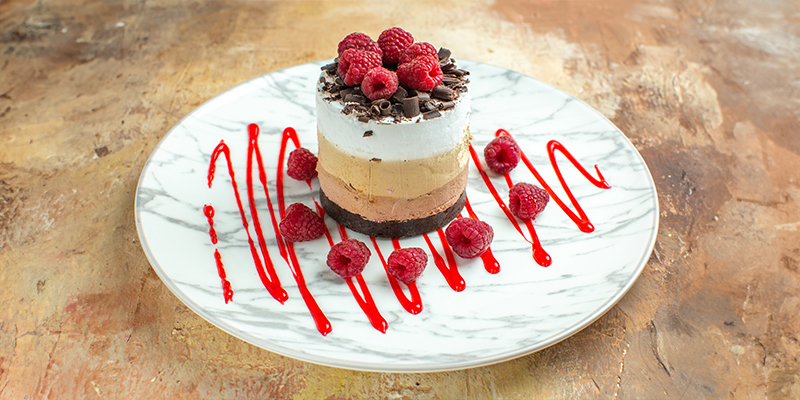
One of the most appealing aspects of mousse-based desserts is their visual beauty. A well-made Layered Mousse Cake often features distinct sections of flavour and texture – perhaps a soft base, followed by a fruity mousse, a chocolate layer, and a glossy glaze on top. Each layer is carefully set before the next is added, creating clean lines and balanced bites.
These layers are not just decorative. They allow contrasting flavours to shine without clashing. A slight crunch at the bottom, paired with a smooth centre and a delicate topping, creates a complete dessert experience rather than a single-note sweet.
Chocolate: The Most Loved Variation
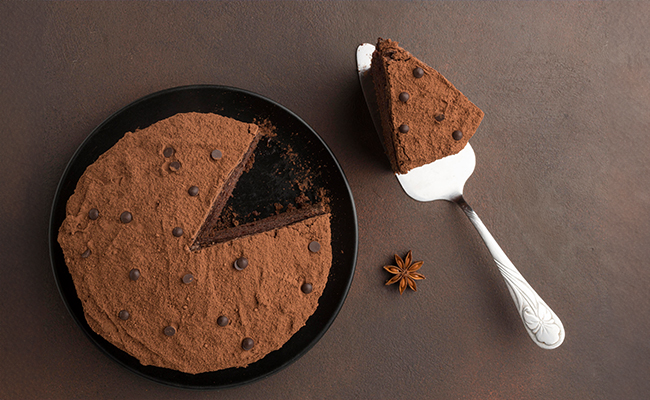
When people think of mousse, chocolate often comes to mind first, and for good reason. A well-made Chocolate Mousse Cake combines deep cocoa flavour with a texture that feels almost weightless. The richness of chocolate is softened by whipped cream or egg-based custards, resulting in a dessert that satisfies cravings without feeling too intense.
This version works beautifully for celebrations because it appeals to a wide audience. It can be dressed up with ganache, curls, or minimal décor and still feel luxurious. Despite its refined appearance, the flavour remains familiar and comforting.
Eggless Options and Changing Preferences
With evolving dietary preferences, egg-free desserts are no longer an afterthought. An Eggless Mousse Cake uses alternatives like whipped cream, chocolate emulsions, or plant-based setting agents to achieve the same airy texture. When done right, the absence of eggs is barely noticeable.
These versions are especially popular in households where vegetarian choices matter. They prove that mousse cakes are flexible and inclusive, adapting easily to modern eating habits without compromising on taste or texture.
Flavour Possibilities Beyond Chocolate

While chocolate dominates the spotlight, mousse cakes come alive with countless other flavours. Mango, strawberry, coffee, caramel, pistachio, and even citrus-based options are widely loved. Fruit mousses add freshness and a slight tang, making them ideal for those who enjoy lighter desserts.
Some cakes blend multiple flavours, creating a balanced profile where sweetness, acidity, and creaminess work together. This versatility is one reason mousse cakes remain relevant across seasons and occasions.
Why Texture Matters So Much
Texture is the soul of any mousse-based dessert. A good mousse should feel smooth on the tongue, not grainy or overly firm. It should hold its shape when sliced but soften instantly when eaten. This careful balance is what elevates a mousse cake from average to memorable.
The appeal of a Creamy Mousse Dessert lies in this sensation. It is not rushed. Each bite encourages you to slow down and savour, making it perfect for moments that deserve a little indulgence.
Serving and Storage Tips

Mousse cakes are best enjoyed chilled but not frozen solid. Ideally, they should be taken out of the refrigerator a few minutes before serving to allow the flavours to open up slightly. Clean, warm knife cuts help maintain neat slices, especially when layers are involved.
Storage requires a bit of care. Because of their delicate structure, mousse cakes should be kept covered and away from strong-smelling foods. Freshness matters, as the light texture is best appreciated within a short time.
A Dessert That Feels Special Every Time
What makes mousse cakes truly special is their ability to feel celebratory without being over-the-top. They suit birthdays, anniversaries, casual dinners, and even quiet evenings when you want something comforting yet refined. Their elegance lies in restraint – soft flavours, gentle sweetness, and textures that speak for themselves.
In a world full of heavy, sugar-loaded desserts, mousse cakes offer a refreshing alternative. They remind us that sometimes, the lightest desserts leave the strongest impression.